Phone:
(701)814-6992
Physical address:
6296 Donnelly Plaza
Ratkeville, Bahamas.

Phone:
(701)814-6992
Physical address:
6296 Donnelly Plaza
Ratkeville, Bahamas.

Travelling can take a toll on your body in ways many of us don’t notice until we’re back home. Staying in one position for too long can cause muscles to tighten and joints to feel stiff. Poor seating, limited movement, and carrying heavy bags can place extra strain on the neck, back, hips, and shoulders. These aches often start small and are easy to ignore, but they can build up over time.
Repeated travel can affect how the body moves and feels each day. Mild discomfort may turn into ongoing stiffness or pain if it is not managed early. This is why it helps to understand how travel affects the body and what can be done to ease the strain. Some people include gentle, hands-on support, such as visiting an Osteopath Croydon, as part of a wider approach to easing tension and supporting healthy movement after long journeys.
Most of us underestimate the effects of sitting. Extended periods with your back hunched, shoulders rounded, and legs tucked under a seat can cause muscles to stiffen.
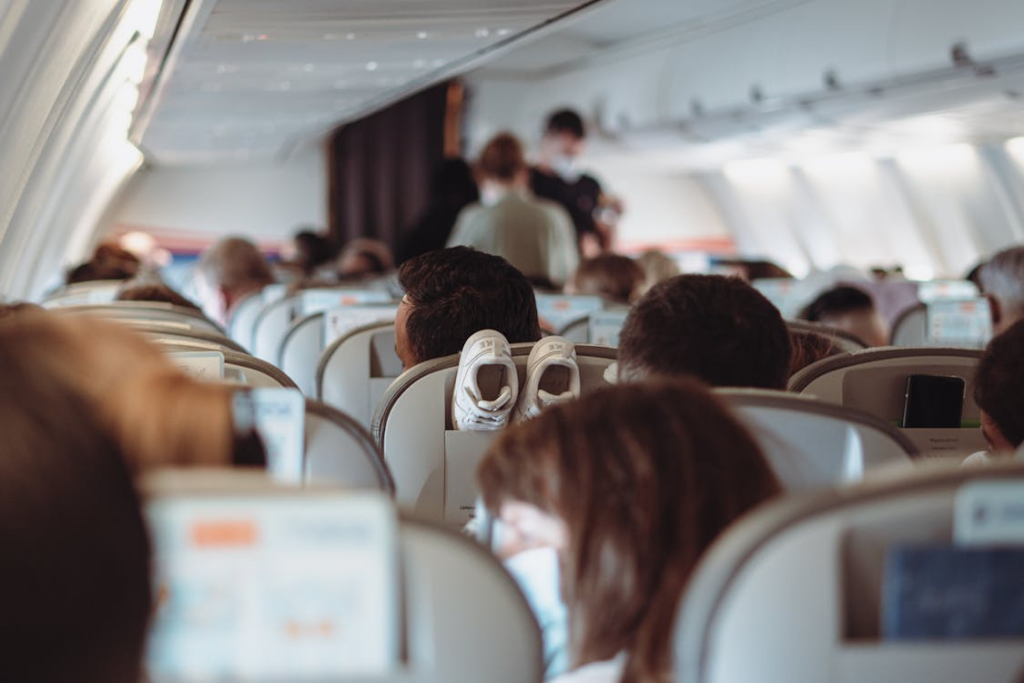
When you’re seated for hours, your muscles gradually shorten and tighten. Even the modest periods of prolonged sitting can reduce circulation and limit joint mobility. What feels like a “rest” for your body is actually a strain. Your body is working harder than you think. Even though you’re sitting still, muscles and joints are under pressure.
We’ve all heard the advice: “Just stretch when you can.” This tip is helpful, but being proactive is even better. Standing up every 30–60 minutes, walking around, and stretching gently can help prevent stiffness. Moving your body, even briefly, goes a long way in improving comfort during long journeys.
Long journeys often mean sitting still for hours at a time. One of the less obvious risks is poor circulation. Sitting for too long can lead to swelling in your legs and feet, as well as discomfort, and, in rare cases, deep vein thrombosis (DVT). The blood struggles to move efficiently when you’re in a static position.
Simple movements such as ankle circles, calf raises, or walking down the aisle on a plane help stimulate blood flow. It reduces swelling and prevents stiffness. Wearing comfortable, supportive shoes and avoiding tight clothing can also reduce strain on your circulatory system. According to the NHS, keeping active during travel isn’t a comfort tip; it’s a critical health recommendation.
When your muscles and veins remain stagnant for too long, it can result in discomfort that persists even after you’ve reached your destination. So, it’s essential to keep moving and avoid sitting still for too long.
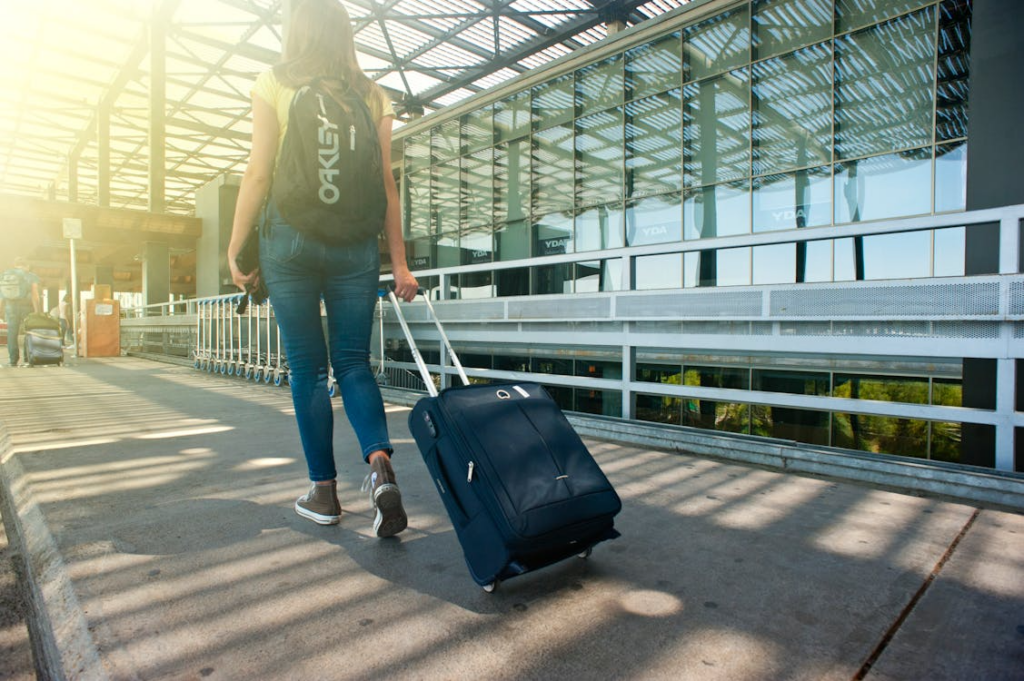
Do you think travel is just about sitting? Lifting heavy bags, struggling with overpacked suitcases, or hoisting items onto racks can strain your back, shoulders, and neck. These types of injuries often occur when we rush, throwing our bodies into awkward positions before we’re properly braced.
In fact, lifting incorrectly is one of the most common causes of travel-related strain. Most people don’t think about their posture or body mechanics when they’re rushing through an airport or trying to settle into a new hotel. However, it’s in these rushed moments that muscle strains tend to occur.
Patients often say improper lifting during travel can worsen postural issues or cause new aches. Tricks like bending at the knees and keeping your back straight can help. Using trolleys or luggage with wheels also makes a big difference. These methods allow you to avoid unnecessary strain on your back and neck.
Time zone changes can have an impact on your muscles in addition to interfering with your sleep pattern. Fatigue, dehydration, and disrupted routines make the body more prone to stiffness and soreness. When you’re tired, your posture tends to slump, and your muscles tighten, leading to discomfort that can last for days.
Feeling mentally and physically drained, muscle recovery may take longer if your body is battling jet lag. The longer you sit in one position, the stiffer your muscles will become. It can be easy to neglect stretching or moving when you’re tired, but it’s precisely during this time that your body needs it most.
Hydration, light exercise, and a sensible sleep schedule are necessary for countering the effects of jet lag. Even a short walk around your accommodation can stimulate circulation and ease muscle tension. Moving your body helps counteract the fatigue and stiffness that can result from a long journey.
Once your trip is over, don’t assume your body will bounce back on its own. It’s easy to think that your muscles will naturally recover, but that’s often not the case. Gentle stretching, short walks, and mindful movement help relax tight muscles and ease long-term strain.
Many people find a professional assessment helpful for addressing lingering discomfort. A visit to a trusted osteopath can be particularly beneficial in these cases. A trained practitioner can assess your posture, joints, and muscles. It helps ensure your body is functioning optimally after a long journey.
The Journal of Osteopathic Treatment highlights that early intervention can prevent minor travel-related aches from developing into more significant, chronic issues. A combination of manual therapy, targeted exercises, and posture advice can restore balance and mobility.
Here are some practical tips to reduce muscle strain and discomfort while travelling:
It’s helpful to stretch your legs and arms at rest stops, especially on long car trips. This simple act can refresh tired muscles and prepare you for the next leg of your journey.
Occasional stiffness or discomfort is a regular part of travel. However, persistent pain, numbness, or swelling warrants attention. If discomfort lingers or worsens, it’s essential to consult with a professional who can assess your posture, joints, and muscles. A skilled practitioner can pinpoint the underlying cause and provide effective treatment.
If you’re a frequent traveller or have pre-existing conditions, it’s imperative to seek professional advice. A treatment plan can help address any recurring issues before they escalate.
The NHS also advises seeking medical attention if pain is bad or accompanied by other symptoms, such as swelling, redness, or reduced mobility. Early care can prevent minor travel-related issues from becoming long-term problems.
Travel may seem effortless, but your body works hard to adapt to the demands of long journeys. Whether it’s sitting for hours, lifting heavy luggage, or adjusting to a new environment, your muscles, joints, and circulation are put to the test.
Stretching regularly, lifting properly, staying hydrated, and maintaining good posture. You can make even the most extended trips easier on your body. If aches persist after travel, consulting an osteopath Croydon residents rely on can help. It can restore mobility and prevent recurring problems.
Your body deserves just as much attention on the road as it does at home. After all, travel is meant to be a pleasure, not a pain.